
At Faith, you’ll find a church family that treasures depth and devotion to Christ.
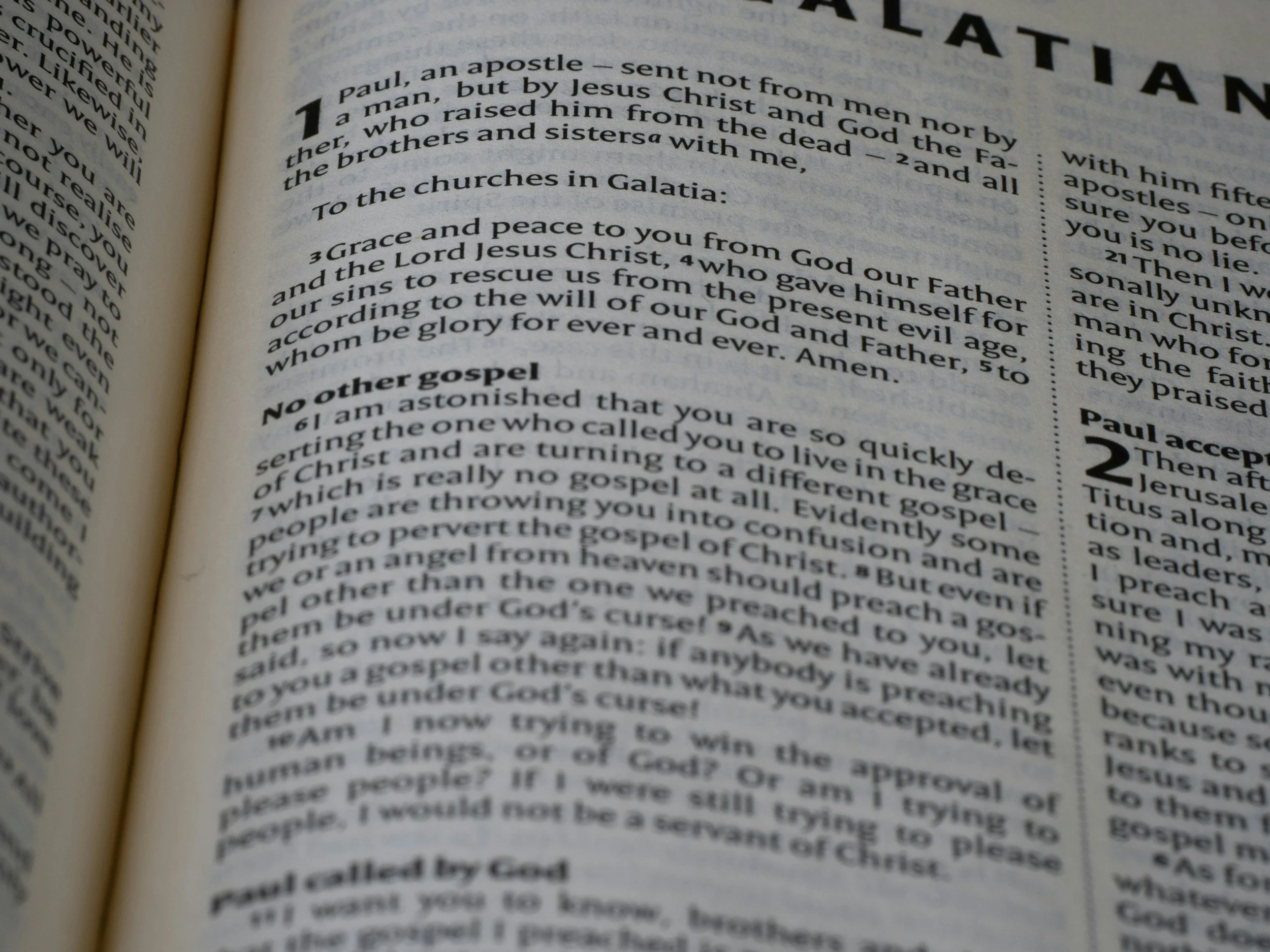
Biblical Preaching – Preaching that is grounded in the Scriptures.
Christ-Centered Worship – Songs to lift our hearts to Christ and encourage lives of holiness.
Word & Spirit - We depend on the Holy Spirit as He brings conviction, growth, and obedience in the life of the church.
A Comfortable Setting – Some dress up, some don’t. We care far more about a person’s heart being shaped by the Gospel than outward appearance.
So what do you do?
Come as you are: No matter where you're at spiritually or emotionally, you're welcome.
Join our church family: Participate in Family Nights or Prayer Meetings and grow deeper in fellowship.
Stay updated: Check our Events page for ways to serve, connect, and get involved.
Check out our Core Teachings below for more information on our doctrinal positions.
Core Teachings
About Scripture
The Holy Scriptures of the Old and New Testaments are the very Word of God, given by divine inspiration and by His singular care and providence kept pure in all ages. They constitute the only sufficient, certain, and infallible rule of all saving knowledge, faith, and obedience. In them, God has wholly revealed His counsel concerning all things necessary for His own glory and man's salvation, making the Scriptures the final and absolute authority for all of Christian faith and practice. (2 Timothy 3:16-17; 1 Thessalonians 2:13; 2 Peter 1:21)
About One True God
The Lord our God is but one only living and true God, who is self-existent, unchanging, and infinite in being and perfection. He is the sovereign Creator of all things, alone all-sufficient in and unto Himself, and worthy of all worship and obedience. In this divine and infinite Being, there are three distinct subsistences—the Father, the Son, and the Holy Spirit. These three are one in substance, equal in power, and co-eternal in glory. (Deuteronomy 6:4; Isaiah 43:10-11; Matthew 28:19; Luke 3:22)
About the Person and Work of Jesus Christ
The Lord Jesus Christ, the eternal Son of God, is the only Mediator between God and man. In His person, two whole, perfect, and distinct natures are inseparably joined together, so that He is truly God and truly man, yet one Christ. He was conceived by the Holy Spirit in the womb of the Virgin Mary and born of her substance, yet lived a completely sinless life and perfectly fulfilled the law. By His willing and substitutionary death on the cross, He fully satisfied the justice of God and made a complete atonement for sin. Having risen bodily from the grave and ascended into heaven, He now reigns at the right hand of the Father, making intercession for His people as our eternal Prophet, Priest, and King. (Luke 1:31-35; Hebrews 7:26; Acts 2:22; 1 Corinthians 15:3; Matthew 28:6; Acts 1:9; Philippians 2:9-11; John 1:1-4)
About The Fall of Man
God created man in His own image, endued with knowledge, righteousness, and true holiness, for the purpose of glorifying Him and enjoying His fellowship. However, through the subtlety and temptation of Satan, our first parents sinned. By this transgression, they fell from their original righteousness and communion with God, becoming dead in sin and wholly defiled in all the faculties of soul and body. The guilt of this sin was imputed, and this same corrupted nature is conveyed to all their posterity. Consequently, every person is born spiritually dead, utterly disabled to any spiritual good accompanying salvation, and unable to please God or turn themselves apart from His sovereign, saving grace. (Genesis 1:26-27; Genesis 1:26; 2:17; Genesis 3:6; Romans 5:12-19; Isaiah 43:7)
About Salvation
Salvation is entirely the work of God’s sovereign grace, accomplished through the redemptive work of Jesus Christ. Sinners are justified freely, not by any righteousness infused into them or works done by them, but by God pardoning their sins and imputing the obedience and satisfaction of Christ unto them, received through faith alone. This saving faith is never alone, but is always accompanied by an evangelical repentance and all other saving graces. Good works are not the cause of our acceptance, but are the necessary fruits and evidences of a true and lively faith. Those whom God has thus accepted and sanctified by His Spirit can neither totally nor finally fall away from the state of grace, but shall certainly persevere to the end. (Ephesians 2:8-9; John 3:3; John 14:6; John 15:5; Titus 2:11; Romans 8:16; Galatians 5:22-23; Ephesians 4:24)
About the Ordinances of the Church
The Lord Jesus Christ, the supreme Head of the Church, has appointed two ordinances of positive and sovereign institution to be continued until the end of the world: Baptism and the Lord’s Supper. Baptism is an ordinance for those who actually profess repentance toward God and faith in our Lord Jesus Christ, serving as a visible sign of their fellowship with Him in His death and resurrection, and of their being engrafted into Him. The Lord’s Supper was instituted by Him for the perpetual remembrance and showing forth of the sacrifice of Himself in His death. In this ordinance, believers do not merely remember a past event, but by faith spiritually feed upon Christ crucified and receive spiritual nourishment, serving as a bond and pledge of their communion with Him and with each other. (Matthew 28:19; Mark 16:16; 2 Peter 1:4; 1 Corinthians 11:26)
About Sanctification
Those who are united to Christ, effectively called, and regenerated, are further sanctified, really and personally, through the virtue of Christ's death and resurrection, by His Word and Spirit dwelling in them. By this progressive work of grace, the dominion of the whole body of sin is destroyed, its several lusts are increasingly weakened and mortified, and believers are more and more quickened and strengthened in all saving graces unto the practice of true holiness. While believers are fully justified in Christ, this sanctification remains imperfect in this life, as there still abide remnants of corruption in every part. From this arises a continual and irreconcilable war—the flesh lusting against the Spirit, and the Spirit against the flesh. Yet, through the continual supply of strength from the sanctifying Spirit of Christ, the regenerate part overcomes, and believers are preserved as they press on in the pursuit of holiness. (Romans 12:1-2; Hebrews 12:14; 1 Peter 1:15-16; Romans 6:1-14; 1 Peter 1:5)
On the Last Things
God has appointed a day wherein the Lord Jesus Christ will return bodily, visibly, and gloriously to judge the world in righteousness. On that last day, there will be a general resurrection of all the dead, both of the just and the unjust. Christ will then consummate His kingdom, executing final justice by sentencing the wicked and apostate angels to everlasting destruction, and fully receiving the righteous into eternal rest and glory. The end of God's appointing this day is for the manifestation of the glory of His mercy in the eternal salvation of the elect, and of His justice in the damnation of the reprobate. This certain return is the blessed hope of the church, moving believers to watchfulness, perseverance, and joyful expectation. (Matthew 24:30; 2 Timothy 4:1; Revelation 20:11-15)
For all the teachings of the Assemblies of God, check out the 16 Fundamental Truths at ag.org